
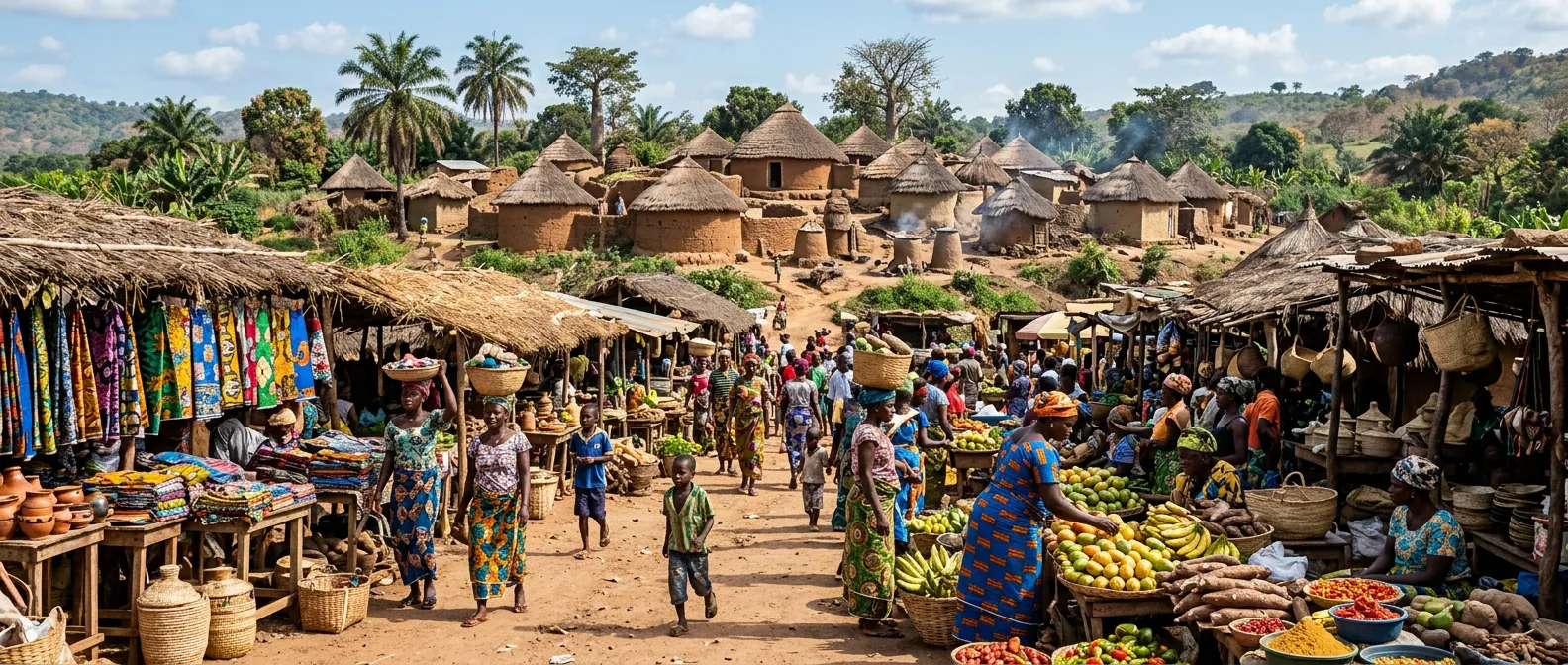
Benin shares 1,785 kilometers of land borders with four countries: Togo, Nigeria, Burkina Faso, and Niger, connected by at least a dozen official border crossings for road travelers. Whether you are driving from Lagos to Cotonou, crossing from Lomé on the coast, or entering from the Sahel, this guide covers every active land crossing, what to expect at each checkpoint, and the logistics of entering Benin by road.
Benin’s Land Borders at a Glance
Benin border crossings span four international boundaries, each with distinct entry points and travel conditions. The country’s elongated shape – stretching roughly 670 kilometers north to south – means border experiences vary widely depending on which side you approach from.
| Border Country | Total Border Length | Main Crossing Points | Road Condition |
|---|---|---|---|
| Togo | ~651 km | Hillacondji, Sakété, Boukoumbé | Paved (coastal), mixed (inland) |
| Nigeria | ~809 km | Sèmè-Kpodji/Kraké, Malanville area | Paved (main highway) |
| Burkina Faso | ~306 km | Porga, Kpérouba | Mostly laterite and tarmac |
| Niger | ~277 km | Malanville/Gaya, Segbana | Laterite and tarmac |
The Sèmè-Kpodji/Kraké crossing between Benin and Nigeria is the busiest border post in the country, handling thousands of travelers and commercial trucks daily on the main Lagos-to-Cotonou highway. The coastal Hillacondji crossing on the Togolese border is the second most popular for tourists arriving from Lomé.
Sèmè-Kpodji/Kraké: The Main Nigeria-Benin Border Crossing
The Sèmè-Kpodji/Kraké border post is Benin’s busiest and most important land crossing, sitting on the main highway between Lagos, Nigeria, and Cotonou, Benin. It processes a high volume of passenger vehicles, commercial freight trucks, and pedestrian traffic every day.
Location and Route
The crossing sits at the southeastern tip of Benin, roughly 45 kilometers from central Cotonou and approximately 100 kilometers from downtown Lagos. The road on both sides is paved and forms part of the main West African coastal highway corridor.
Distance from key cities:
- Cotonou to Sèmè-Kpodji: ~45 km (1 to 1.5 hours by car)
- Lagos to Kraké: ~100 km (2 to 4 hours depending on Lagos traffic)
- Porto-Novo to Sèmè-Kpodji: ~20 km (30 to 45 minutes)
Border Process
The crossing has both a Nigerian exit side and a Benin entry side. You complete formalities on one side, then drive or walk approximately 200 to 500 meters to the other side.
On the Nigerian side: Nigeria controls exit procedures – passport check, possible vehicle inspection, and exit stamp.
On the Benin side: Benin immigration processes entry with the same documents required at the airport:
- Passport with at least 6 months validity remaining
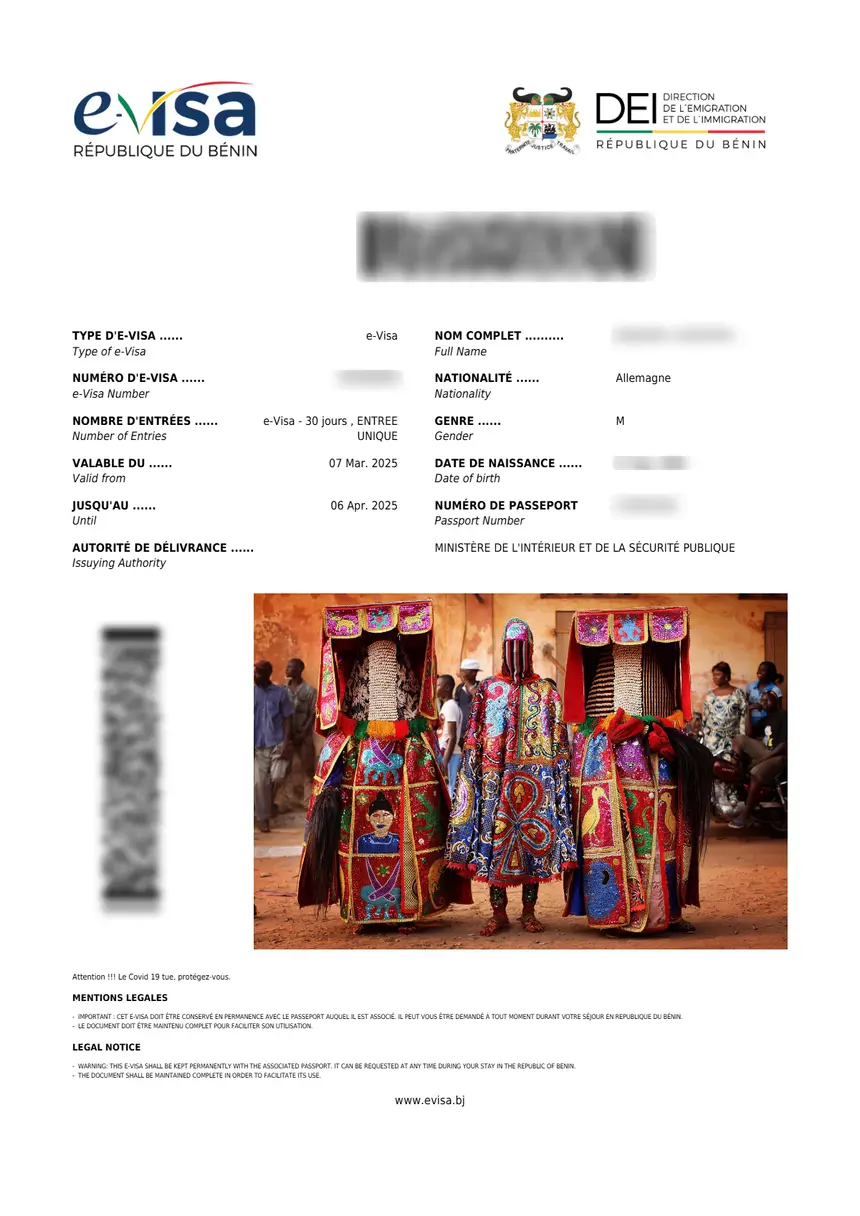
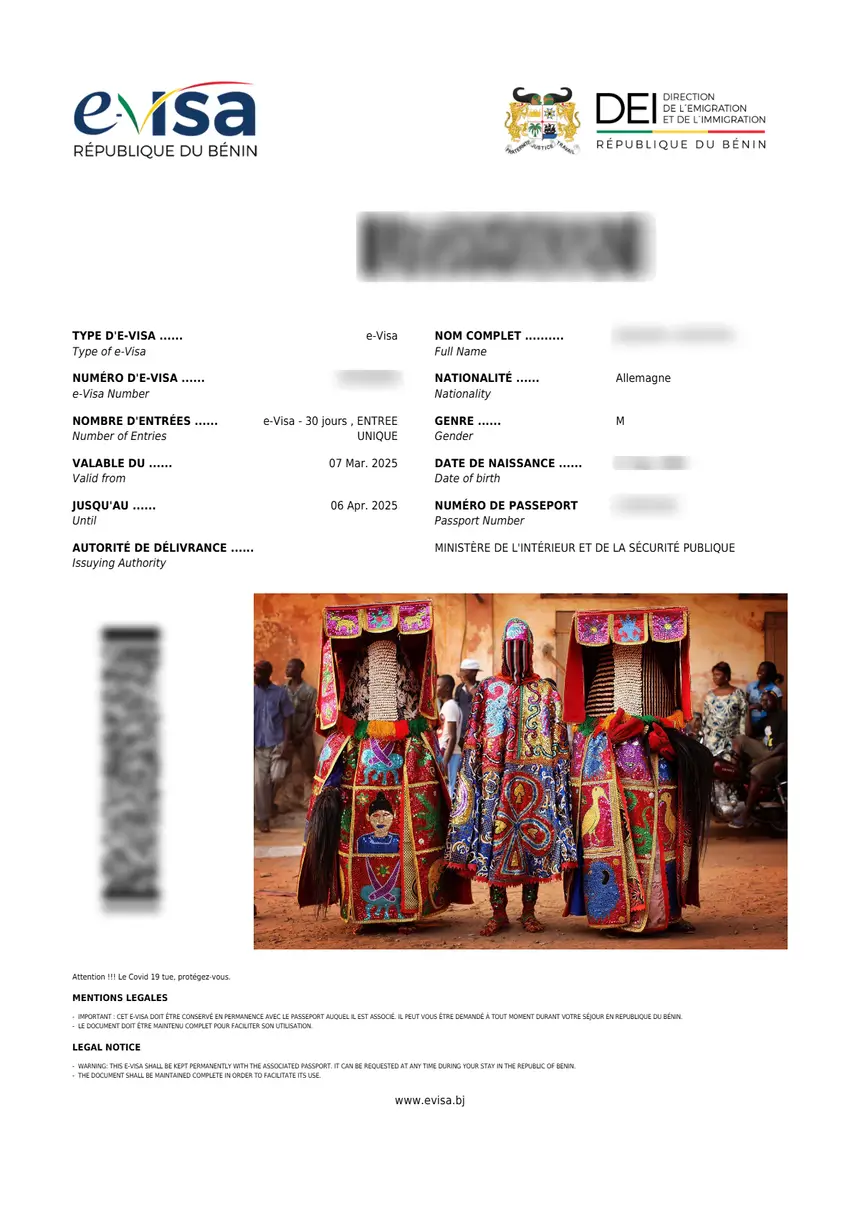
- Valid e-Visa (printed or on your phone) – apply in advance at evisa.bj
- Yellow fever certificate (WHO Yellow Card)
- Entry stamp issued at the border post
Practical Tips for Sèmè-Kpodji/Kraké
- Cross early in the morning – lines grow significantly between 10:00 AM and 3:00 PM. Arriving before 7:00 AM often means minimal wait times.
- Bring CFA francs (XOF) – the Benin side operates in West African CFA francs. Nigerian naira is not accepted at the Benin checkpoint. There are informal money changers at the border, but their rates are poor – withdraw from an ATM in Lagos or Cotonou.
- Beware of touts and unofficial guides – this border post is known for unofficial brokers offering to speed up your process for a fee. Politely decline and proceed directly to the immigration windows.
- Vehicle documentation – if driving your own car through Benin, you need a valid driver’s license, vehicle registration, and cross-border insurance (called a Brown Card or ECOWAS Insurance Certificate). Without insurance, you may be turned back or fined.
- Walking across – motorbike taxis (zémidjans) are available on both sides and can transport you between the two immigration buildings.
Hillacondji: The Coastal Togo-Benin Crossing
Hillacondji is the primary border crossing between Togo and Benin on the coastal route, linking Lomé to Cotonou along the main Atlantic highway. It is the most convenient crossing for travelers moving between the two capitals.
Location and Route
The border post sits at the Togo-Benin frontier on the coastal road, approximately 30 kilometers west of Ouidah, Benin, and roughly 60 kilometers east of Lomé, Togo. The route passes through the small Beninese town of Grand-Popo before reaching the border.
Distances:
- Cotonou to Hillacondji: ~120 km (2 to 2.5 hours by car)
- Lomé to Hillacondji: ~60 km (1 to 1.5 hours)
- Ouidah to Hillacondji: ~30 km (30 to 40 minutes)
Border Process
The Togo exit and Benin entry offices are located close together, making this a relatively quick crossing. Waved through on both sides is not uncommon for tourist vehicles – officials prioritize commercial freight.
Requirements on the Benin side: Passport, e-Visa (printed or digital), yellow fever certificate, and entry stamp – identical to all other official crossings.
Practical Tips for Hillacondji
- Less congested than Sèmè-Kpodji – waits are typically shorter, often 15 to 30 minutes
- Shared taxis and buses run frequently on the Lomé-Cotonou route and handle border stops automatically. The driver announces the crossing, passengers exit for immigration, then reboard
- Photography – avoid taking photos at the border post. Officials may object and it can stall your processing
- Combine with a visit to Grand-Popo – the Benin coastal town is a popular lagoon-side stop just 30 minutes from the border
Other Togo-Benin Border Crossings
Beyond Hillacondji, several inland crossing points connect Togo and Benin. These are less commonly used by international travelers but serve regional traffic and overland routes.
Sakété-Hédanoué Border Post
Located at the southern inland region, this crossing links the Beninese town of Sakété with Hédanoué on the Togolese side. It is roughly 70 kilometers northeast of Cotonou and provides a less congested alternative to Hillacondji for travelers coming from northern Togo.
Boukoumbé Border Post (Atacora Region)
In the far northwest of Benin, near the Pendjari National Park area, a smaller crossing connects Benin’s Atacora department with Togo’s Kara region. This is used mainly by tourists visiting Pendjari and W National Parks or by cross-border communities. It operates limited hours, typically from 8:00 AM to 6:00 PM.
Natitingou Area Crossings
Several unofficial-to-semi-official routes connect the Natitingou area in Benin with northern Togo. These are not always open and may not have full immigration facilities. Verify their status before planning a route through these points.
Malanville: The Niger and Burkina Faso Gateway
Malanville is Benin’s primary northern border town, sitting at a unique geographic point where the Niger and Burkina Faso borders converge near the Niger River. It serves as the main crossing for travelers heading into the Sahel region.
Location and Route
Malanville sits at the far northeast of Benin, approximately 680 kilometers north of Cotonou. The town is near the confluence of the Niger River and the Alibori River, forming Benin’s natural border with both Niger and Burkina Faso.
Key distances:
- Cotonou to Malanville: ~680 km (10 to 12 hours by road)
- Parakou to Malanville: ~350 km (5 to 7 hours, depending on road conditions)
- Niamey, Niger to Malanville (via Gaya): ~40 km (border to border)
Malanville to Gaya (Niger)
The Gaya border crossing connects Malanville with the Nigerien town of Gaya across the Niger River. A bridge spans the river and connects the two border posts.
- Distance: Malanville to Gaya is approximately 25 kilometers
- Road condition: Tarmac and laterite, manageable year-round except during the heaviest rains (August-October) when low-lying areas near the river may flood
- Transport: Shared taxis and minibuses run between Malanville and Gaya; the crossing takes about 30 to 45 minutes including immigration
Malanville to Burkina Faso (Porga)
Northwest from Malanville, the Benin-Burkina Faso crossing at Porga provides access to Burkina Faso’s northern territory. This route leads toward Arli National Park and the town of Diapaga in Burkina Faso.
- Road condition: Laterite and tarmac, passable year-round with caution during the rainy season
- Traffic volume: Lower than Malanville-Gaya, mostly local and regional traffic
Practical Tips for Malanville
- Plan for the long drive from Cotonou – the journey is 10 to 12 hours. Consider breaking it with an overnight stop in Parakou or Natitingou, both of which have hotels and guesthouses
- The road north of Parakou is tarmac but can deteriorate after heavy rain. A 4×4 vehicle is recommended for the final stretches near the border
- Fuel up in Malanville – petrol stations are scarce between Malanville and the Niger border post
- Cash is essential – there are limited ATMs in Malanville and none at the border posts
- Start the crossing early – Malanville and Gaya border posts typically operate 7:00 AM to 7:00 PM, but arriving by 9:00 AM ensures you complete both sides before the midday heat slows everything down
Burkina Faso Border Crossings
Benin’s western border with Burkina Faso stretches approximately 306 kilometers, running through the northern Atacora and Borgou departments. Several crossing points exist for road travelers.
Porga Border Post
Porga is the most active Benin-Burkina Faso crossing, located near the Pendjari River in the far north. Tourists visiting Pendjari National Park – one of West Africa’s largest remaining wildlife reserves – commonly cross from Burkina Faso via this route.
- Distance from Natitingou: ~130 km (2.5 to 3 hours)
- Distance from Ouagadougou, Burkina Faso: ~300 km (5 to 6 hours)
- Primary use: Regional traffic, park tourism, cross-border trade
Kpérouba Border Post
Another crossing point in the northern corridor, Kpérouba links Benin with Burkina Faso in the Borgou department area. It handles lighter traffic compared to Porga and is mainly used by local communities.
Requirements at Burkina Faso Crossings
The same Benin entry rules apply. For citizens of ECOWAS member states, including Burkina Faso, the crossing is visa-free. For other nationalities, a valid e-Visa or visa exemption and yellow fever certificate are required.
If you plan to cross into Burkina Faso, be aware that security conditions in eastern Burkina Faso have been affected by instability in recent years. Travel advisories from your home government should be checked before planning overland routes through this region.
Niger Border Crossings
Benin shares a ~277-kilometer border with Niger along its northeastern edge. The Malanville-Gaya crossing covered above is the main entry point, but other crossings exist for regional traffic.
Segbana Border Post
Segbana sits in Benin’s Borgou department, north of Parakou and southeast of Dosso, Niger. This crossing connects Benin’s interior with central Niger, bypassing the Malanville corridor.
- Road condition: Laterite roads predominate; this route requires a sturdy vehicle, especially during the rainy season (June-October)
- Facilities: Basic – carry supplies, water, and fuel
- Best for: Overlanders traveling the Sahel route, not recommended for first-time West Africa travelers
Practical Considerations for Niger Crossings
- Fuel planning – distances between service stations can exceed 100 kilometers on Niger side
- Yellow fever certificate – mandatory for both Benin and Niger
- Niger visa – check Niger’s current visa policy separately; ECOWAS nationals enter visa-free but other nationalities will need a Niger visa in addition to their Benin visa
- Security – northern Benin and southern Niger have experienced periodic security advisories. Check current conditions with local authorities
Documents Required at All Benin Land Border Crossings
Every Benin land border crossing requires the same set of documents, regardless of which country you enter from. There are no reduced requirements for overland arrival versus air arrival.
| Document | Requirement | Notes |
|---|---|---|
| Passport | At least 6 months validity remaining | Minimum 1 blank page for stamps |
| Valid e-Visa | Printed or displayed on phone/laptop | Apply at evisa.bj at least 1 week before travel |
| Yellow fever certificate | Original WHO Yellow Card | Mandatory, no exceptions |
| Vehicle documents | Registration, license, ECOWAS insurance | Only for private vehicles |
ECOWAS nationals from neighboring countries enter Benin visa-free with just a valid national ID card or passport and do not require an e-Visa. Citizens of all African Union member states can also enter visa-free for up to 90 days.
How to Get to Benin by Road from Neighboring Countries
From Lagos, Nigeria (via Sèmè-Kpodji/Kraké)
The most popular overland route into Benin. Buses and shared taxis depart from Lagos’s Ajah or Badagry areas heading to Cotonou.
- Transport options: Private taxi (~15,000-25,000 NGN), shared taxi (~5,000-8,000 NGN), or bus services
- Travel time: 3 to 5 hours depending on Lagos traffic
- Best departure: Early morning (before 6:00 AM) to avoid Lagos gridlock and border congestion
From Lomé, Togo (via Hillacondji)
A straightforward coastal route with frequent shared transport.
- Transport options: Shared taxis and buses run multiple times daily between Lomé and Cotonou
- Travel time: 3 to 4 hours including border processing
- Cost: Approximately 3,000 to 5,000 CFA francs for a shared taxi seat
From Ouagadougou, Burkina Faso (via Porga)
A longer route through northern Benin, best for travelers visiting Pendjari National Park.
- Transport options: Buses to Malanville or Natitingou, then local transport to border
- Travel time: 8 to 12 hours total
- Best season: Dry season (November-March) for road comfort
From Niamey, Niger (via Gaya/Malanville)
A common Sahel route.
- Transport options: Shared taxis from Niamey to Gaya, then cross to Malanville
- Travel time: 2 to 3 hours Niamey to Gaya, plus border time, plus 10-12 hours Malanville to Cotonou
- Best for: Overlanders combining Niger and Benin in a single trip
Border Crossing Etiquette and Safety
Benin border crossings are generally safe and functional, but preparation makes the experience smoother.
At the border post:
- Be patient and respectful – border officials may take 30 minutes to 2 hours to process you. Impatience or arguing does not speed things up
- Keep documents organized – have your passport, e-Visa printout, and yellow fever card in a travel wallet or plastic folder. Fumbling delays everyone
- Do not attempt to bribe officials – this is not expected and can create legal problems. Official fees, if any, will have a receipt
- Take basic security precautions – keep valuables out of sight, watch your luggage, and remain aware of your surroundings as you would at any busy checkpoint
- Carry small denominations – between 500 and 5,000 CFA francs for any small official fees, photocopying services, or porters
Personal safety across borders:
- Cross during daylight hours – border posts may not have adequate lighting or staffing after dark
- Avoid carrying large amounts of cash – withdraw what you need from ATMs in major cities
- Confirm your transport arrangement before arriving – have your pickup, onward bus, or driver confirmed so you are not stranded at a remote border post
FAQs About Benin Border Crossings
Can I enter Benin by land with an e-Visa?
Yes, the Benin e-Visa is accepted at all official land border crossings – Sèmè-Kpodji, Hillacondji, Malanville, Porga, and others. The same requirements apply as at Cotonou airport: valid passport, approved e-Visa, and yellow fever certificate.
What is the busiest Benin border crossing?
The Sèmè-Kpodji/Kraké border post between Benin and Nigeria is the busiest in the country, handling thousands of travelers and commercial trucks daily on the Lagos-Cotonou highway corridor.
How long does it take to cross the Benin-Togo border at Hillacondji?
Processing at Hillacondji typically takes 15 to 30 minutes on both sides, making it one of the fastest Benin border crossings. During peak travel periods, waits may extend to 45 minutes.
Do I need a visa to enter Benin from Nigeria by road?
Nigerian citizens do not need a visa – Nigerians enter Benin visa-free as ECOWAS members. Citizens of other countries need a valid e-Visa, which is accepted at all land border crossings including Sèmè-Kpodji/Kraké.
Are Benin land border crossings open 24 hours?
No. Most Benin border posts operate from approximately 6:00 AM to 7:00 PM. Some smaller crossings in the north may close earlier, around 5:00 PM. Always plan to arrive and complete crossing formalities during daylight hours.
Is it safe to cross the Niger-Benin border at Malanville?
The Malanville-Gaya crossing is generally safe and functional for travelers. However, security conditions in parts of northern Benin and southern Niger have experienced instability. Check your government’s travel advisory before planning this route.
What currency do I need at Benin border crossings?
Benin uses the West African CFA franc (XOF). Carry CFA francs in cash for border crossing fees, transport from the border, and any incidental costs. Nigerian naira, Ghanaian cedis, and euros are not accepted at border posts – convert your money beforehand.
Can I drive my own car through a Benin border crossing?
Yes, but you need a valid driver’s license, vehicle registration documents, and an ECOWAS Brown Card (motor vehicle insurance certificate) covering cross-border travel. Without the Brown Card, Benin customs will either turn you back or require you to purchase local insurance.
Which Benin border crossing should I use to visit Pendjari National Park?
If entering from Burkina Faso, the Porga border post is the nearest crossing to Pendjari National Park. From the Benin side, travelers typically drive from Natitingou (approximately 130 km) toward Tanguiéta and then north to the park entrance.
Do I need a yellow fever certificate to cross Benin’s land borders?
Yes. A valid yellow fever vaccination certificate (WHO Yellow Card) is mandatory at every official Benin border crossing – air or land. Border officials on the Benin side check this document and will deny entry without it. The vaccine must have been administered at least 10 days before your arrival.
How do I get from the Nigerian side to the Benin side at Kraké/Sèmè-Kpodji?
After clearing Nigerian exit immigration, you walk or take a zémidjan (motorbike taxi) approximately 200 to 500 meters across the no-man’s-land between the two border posts to reach the Benin immigration office. The distance is walkable and clearly marked.
Are there money changers at Benin land border crossings?
Informal money changers are present at larger crossings like Sèmè-Kpodji/Kraké and Hillacondji. However, their rates are unfavorable. It is better to withdraw CFA francs from ATMs in Cotonou, Lomé, or Lagos before reaching the border. Smaller crossings like Porga and Segbana may have no exchange services at all.
This guide is for informational purposes only. Border crossing conditions, operating hours, and entry requirements can change without notice. Always verify the latest requirements on the official Benin e-Visa portal at evisa.bj or with the nearest Beninese embassy before traveling.