
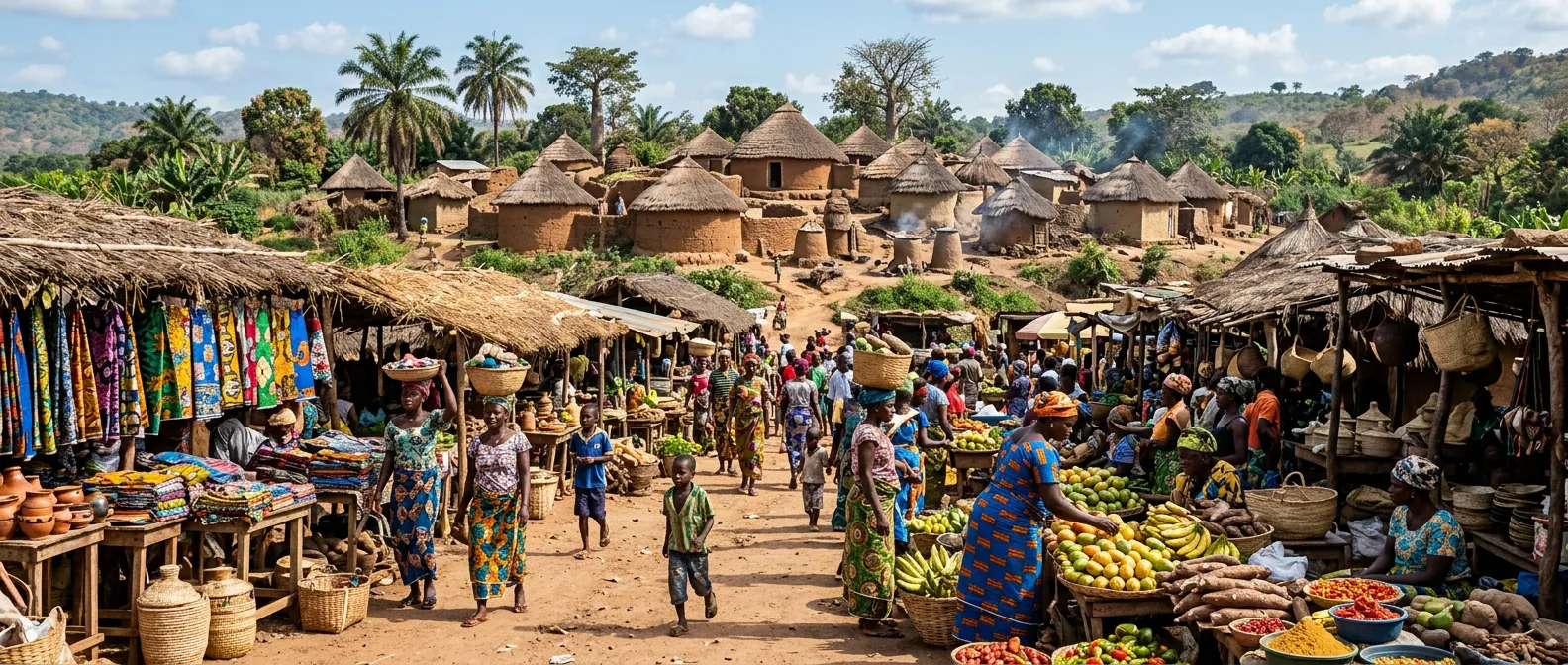
Planning a trip to Benin? Understanding the current travel advisory and safety situation is essential before you book your flight. This comprehensive guide covers the latest security assessments, health risks, regional concerns, and practical safety tips so you can make an informed decision and travel with confidence.
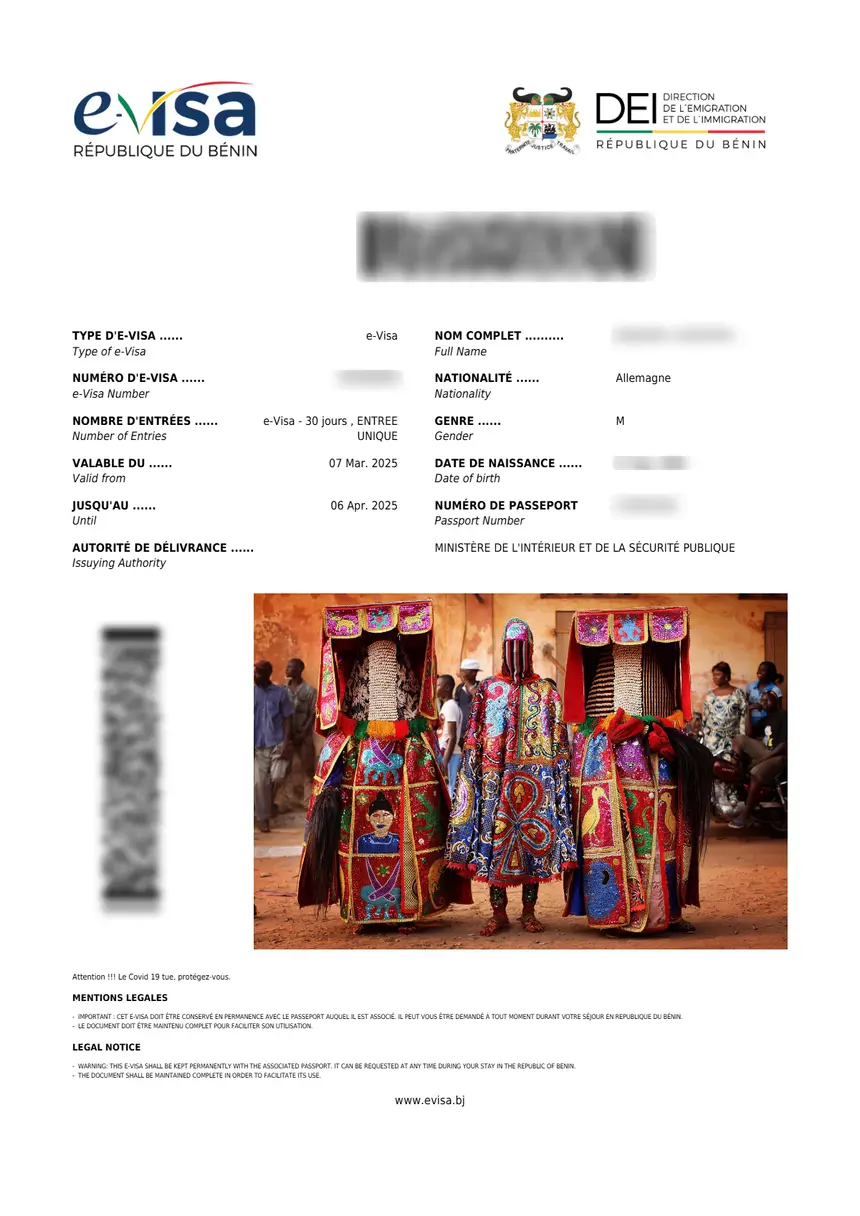
Benin is widely regarded as one of the most stable countries in West Africa, and the vast majority of visitors enjoy a safe and trouble-free trip. However, like any destination, it has specific risks that every traveler should know about – particularly in the northern border regions.
Current Travel Advisory Overview
The United States Department of State rates Benin at Level 2: Exercise Increased Caution. This advisory level is shared with many popular tourist destinations worldwide and indicates that travelers should be more aware of their surroundings but can still visit safely with proper precautions.
The main reasons for the advisory are crime in urban areas and kidnapping risks in the northern regions near the borders with Burkina Faso and Niger. The UK Foreign, Commonwealth & Development Office (FCDO) provides similar guidance, advising against all travel to the northern border departments.
The German Federal Foreign Office (Auswaertiges Amt) also advises increased caution, particularly in northern Benin, where terrorist groups operating in the Sahel region have carried out attacks.
What the Advisory Levels Mean
- Level 1 (Exercise Normal Precautions): The lowest advisory level. Benin is not at this level.
- Level 2 (Exercise Increased Caution): Current rating. Be more aware of potential risks.
- Level 3 (Reconsider Travel): Serious concerns in specific areas.
- Level 4 (Do Not Travel): The northern border regions of Benin fall under this category.
Most tourist destinations in southern and central Benin – including Cotonou, Porto-Novo, Abomey, and Ouidah – are considered safe for travel with normal precautions.
General Safety Situation
Benin has a relatively low crime rate compared to many other West African nations, but petty crime and opportunistic theft do occur, especially in larger cities. The political situation is stable, with democratic elections held regularly and a functioning civilian government.
Crime in Major Cities
Cotonou, the economic capital and main entry point for tourists, has the highest incidence of crime. Common incidents include:
- Pickpocketing and bag snatching in crowded areas, particularly around Dantokpa Market, one of West Africa’s largest open-air markets
- Motorcycle bag snatching – thieves on zémidjan (motorcycle taxis) may grab bags or phones from pedestrians
- Armed robbery – rare but has occurred, particularly at night in poorly lit areas
- Carjacking – occasional incidents, especially for rental vehicles parked in isolated areas
Porto-Novo, the administrative capital, is generally quieter than Cotonou but still requires basic vigilance. Parakou and other northern cities have lower tourist crime rates but face different security challenges related to regional instability.
Safety After Dark
Avoid walking alone at night in any Beninese city. If you need to travel after dark, use a trusted taxi service or arrange transport through your hotel. Beaches in Cotonou, particularly around Fidjrosse and the Route des Pêches, should be avoided after sunset.
Health Risks and Vaccination Requirements
Health preparation is one of the most important aspects of planning a trip to Benin. The country is in a tropical zone with several endemic diseases that travelers must protect against.
Yellow Fever – Mandatory Vaccination
Yellow fever vaccination is required for entry into Benin. You must present a valid International Certificate of Vaccination (the “yellow card”) upon arrival. This is not optional – travelers without proof of yellow fever vaccination may be denied entry or required to receive the vaccine at the airport.
The vaccination should be administered at least 10 days before travel for it to be considered valid. A single dose provides lifelong protection.
Malaria Prevention
Malaria is present throughout Benin year-round, with higher transmission during the rainy season (April to July, September to November). Preventive measures include:
- Antimalarial medication – consult your doctor about the best option (Malarone, Doxycycline, or Mefloquine are commonly prescribed)
- Mosquito repellent containing DEET (30% or higher)
- Sleeping under a mosquito net, especially in rural areas
- Wearing long sleeves and trousers during dusk and dawn
Other Recommended Vaccinations
In addition to yellow fever, the following vaccinations are recommended:
- Hepatitis A and B
- Typhoid
- Meningococcal meningitis
- Rabies (if visiting rural areas or planning contact with animals)
- Routine vaccinations (Tetanus, Diphtheria, Polio, MMR) should be up to date
Water and Food Safety
- Do not drink tap water – use bottled or purified water only
- Avoid ice in drinks unless you are certain it was made from purified water
- Eat thoroughly cooked food served hot
- Be cautious with street food, particularly raw vegetables and unpeeled fruits
- Carry oral rehydration salts as a precaution against traveler’s diarrhea
Regional Security Concerns
Not all parts of Benin carry the same level of risk. Understanding the geographic security landscape is crucial for planning a safe itinerary.
Northern Benin – High Risk
The departments of Atacora, Borgou, Alibori, and Donga – which border Burkina Faso and Niger – are the most security-sensitive areas in Benin. Since 2021, armed groups linked to jihadist organizations operating in the Sahel have carried out attacks in these regions, including incidents near Pendjari and W National Parks.
The US State Department classifies northern Benin as Level 4: Do Not Travel. Both the UK and German foreign offices advise against all travel to these areas.
If you plan to visit northern Benin for legitimate reasons (such as Pendjari National Park), use only authorized tour operators with established security protocols and current risk assessments.
Southern Benin – Lower Risk
The southern departments – including Atlantique, Littoral, Mono, and Couffo – are where most tourist activities take place and carry significantly lower risk. Cotonou, Ouidah, Abomey, and Ganvie are all in this region.
Gulf of Guinea – Maritime Risks
Maritime piracy and armed robbery occur in the Gulf of Guinea, particularly in offshore waters. This primarily affects commercial shipping but small vessels and fishing boats can also be targeted. Avoid unregulated boat tours and stay within designated coastal areas.
Demonstrations and Civil Unrest
Political demonstrations can occur in Benin, particularly around election periods. While most protests are peaceful, they can turn violent with little warning. Avoid large gatherings, demonstrations, and any area where a heavy police or military presence is visible.
Practical Safety Tips for Travelers
These practical tips will help you stay safe during your trip to Benin, whether you are visiting for tourism, business, or transit.
Personal Security
- Do not display signs of wealth – avoid wearing expensive jewelry, watches, or carrying large amounts of cash visibly
- Keep valuables in a hotel safe – carry only what you need for the day
- Make copies of your passport and store them separately from the original
- Register with your country’s embassy or foreign office before traveling
- Share your itinerary with someone at home and check in regularly
Transport Safety
- Roads outside major cities are often unpaved and poorly maintained, especially during the rainy season
- Avoid night driving – roads are unlit, vehicles may not have functioning lights, and livestock can wander onto roads
- Zémidjan (motorcycle taxis) are the most common urban transport but carry inherent risk – always insist on a helmet
- Use registered taxis for longer journeys and agree on the fare before departure
- If renting a car, choose a 4×4 for rural travel and ensure you have comprehensive insurance
Scams and Fraud Awareness
Common scams targeting tourists in Benin include:
- Fake tour guides who approach at tourist sites and demand payment after providing unsolicited services
- Currency exchange fraud – always count money carefully and use official exchange bureaus
- Overcharging – agree on all prices before accepting services, from zémidjan rides to market purchases
- ATM skimming – use ATMs inside banks or hotels rather than standalone machines on the street
- Fake police officers – if stopped, ask for identification and do not hand over your passport unless at a police station
Money and Valuables
- Carry small denominations of West African CFA francs for daily expenses
- Credit cards are accepted at major hotels in Cotonou but rarely elsewhere
- Keep emergency cash in US dollars or euros as backup
- Use a money belt or hidden pouch for passport and large sums
Emergency Contacts and Resources
Having the right contacts at hand can make all the difference in an emergency. Save these numbers in your phone before you travel.
Local Emergency Numbers
| Service | Number |
|---|---|
| Police | 117 |
| Fire Brigade | 118 |
| Ambulance (SAMU) | 112 |
Embassy Contacts in Cotonou
| Country | Phone |
|---|---|
| US Embassy | +229 21 36 75 00 |
| UK Embassy (Nigeria covers Benin) | +234 9 462 22 00 |
| German Embassy | +229 21 30 09 83 |
| French Embassy | +229 21 36 75 00 |
Medical Evacuation
Medical facilities in Benin are limited, particularly outside Cotonou. For serious injuries or illnesses, medical evacuation to Europe may be necessary. Ensure your travel insurance covers:
- Emergency medical treatment
- Medical evacuation (air ambulance)
- Repatriation of remains
- 24-hour emergency assistance hotline
Travel insurance with medical evacuation coverage is not optional for Benin – it is essential.
Is Benin safe for tourists?
Yes, Benin is generally safe for tourists who take standard precautions. The country is one of the most stable in West Africa. Most visits are trouble-free. However, exercise increased caution in urban areas due to petty crime, and avoid the northern border regions with Burkina Faso and Niger where there is a terrorism risk.
Which areas of Benin should be avoided?
The northern departments bordering Burkina Faso and Niger (Atacora, Borgou, Alibori, Donga) should be avoided due to terrorism and kidnapping risks. These areas are rated Level 4 (Do Not Travel) by the US State Department. Southern Benin, including Cotonou, Porto-Novo, Ouidah, and Abomey, is generally safe.
Do I need travel insurance for Benin?
Yes, travel insurance is essential for Benin. Medical facilities are limited, and serious conditions may require evacuation to Europe or another country with advanced healthcare. Make sure your policy covers medical evacuation, emergency treatment, and repatriation.
What vaccinations are required for Benin?
Yellow fever vaccination is mandatory for entry into Benin. You must present a valid yellow fever certificate at the border. Additionally, hepatitis A and B, typhoid, and meningococcal meningitis vaccinations are recommended. Antimalarial medication should also be taken.
Can I travel to northern Benin?
All major foreign offices advise against travel to northern Benin. The border regions with Burkina Faso and Niger face active terrorism threats from Sahel-based armed groups. If you have a specific reason to visit (such as Pendjari National Park), use only established tour operators with security protocols and check current advisories immediately before travel.